
Smart Indoor Climate Control Systems For Modern Buildings
Smart indoor environments are no longer a luxury. They are a baseline expectation in modern buildings. From offices to homes, people want clean air, balanced temperatures, and efficient systems that respond in real time. Technology now makes that possible. Smart indoor climate control systems blend sensors, automation, and energy intelligence to create healthier and more responsive spaces.
Intelligent Climate Monitoring And Automation
Modern buildings rely on smart sensors to track temperature, humidity, and air quality. These sensors feed data into centralized systems. The system then adjusts airflow, cooling, and heating automatically. It reacts faster than manual controls ever could. This creates consistent comfort throughout the day. It also reduces energy waste. Over time, buildings become more adaptive and efficient without constant human input.
Role Of Local Exhaust Ventilation System In Air Quality
A local exhaust ventilation system is designed to remove contaminants directly from their source. It captures dust, fumes, or moisture before they spread into the wider indoor environment. This targeted approach improves air quality significantly. It is commonly used in kitchens, labs, and industrial zones within buildings. When integrated with smart controls, it activates only when needed. This saves energy while maintaining safety. Smart buildings rely on such precision systems to maintain healthy indoor conditions, making the local exhaust ventilation system a critical component.
Smart Sensors Enhancing Airflow Efficiency
Airflow is no longer static. Smart systems analyze occupancy and usage patterns. They adjust airflow room by room. For example, a meeting room with more people receives increased ventilation. Empty areas receive minimal airflow. This balance reduces unnecessary load on HVAC systems. It also improves occupant comfort. Over time, these systems learn patterns and optimize performance further. Efficiency becomes a continuous process rather than a fixed setting.
Timing And Benefits Of AC System Replacement
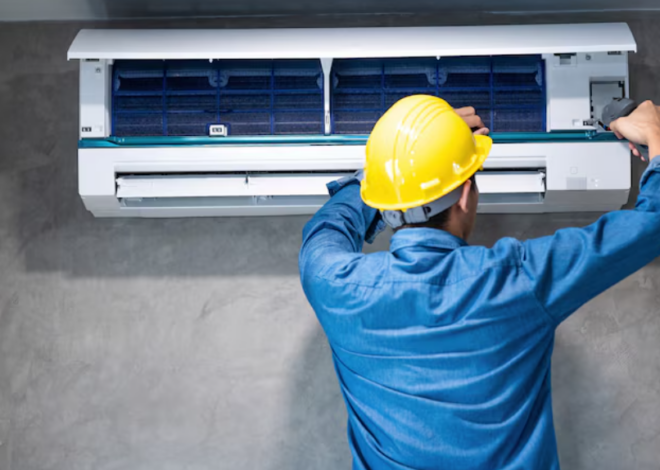
AC system replacement refers to upgrading an outdated or inefficient air conditioning unit with a newer, energy-efficient model. Older systems consume more power and deliver uneven cooling. Replacing them improves performance and reduces long-term costs. Smart buildings often schedule replacements based on performance data rather than age alone. This ensures optimal timing. New systems integrate easily with smart controls. They respond faster and consume less energy. This transition strengthens the overall climate strategy, making ac system replacement a key upgrade decision.
Integration Of Local Exhaust Ventilation System With Smart Controls
Integration is where real efficiency happens. A local exhaust ventilation system connected to a smart network operates only when sensors detect pollutants. For instance, it activates during cooking or chemical use and shuts down afterward. This reduces continuous energy consumption. It also extends equipment lifespan. The system communicates with other components, such as air purifiers and HVAC units. Together, they maintain balanced indoor conditions.
Energy Optimization Through AC System Replacement Strategies
Energy efficiency improves significantly after ac system replacement. New systems use advanced compressors and eco-friendly refrigerants. They also support variable speed operations. This means they adjust output based on demand instead of running at full capacity all the time. Smart controllers further refine this process. They analyze weather patterns and indoor usage trends.
Conclusion
Smart indoor climate control systems are transforming modern buildings. They combine precision, automation, and efficiency in a seamless way. From advanced sensors to strategic upgrades like ac system replacement, every element plays a role. Systems such as the local exhaust ventilation system ensure targeted air quality control. Together, these technologies create healthier, more sustainable spaces. As innovation continues, indoor environments will become even smarter and more responsive to human needs.