Practical Strategies to Enhance Home Efficiency and Indoor Air Quality
Creating a living environment that is both energy-efficient and healthy requires a comprehensive approach to home management. In the modern era, we spend a significant portion of our time indoors, making the quality of the air we breathe just as important as the temperature of our rooms.
A home that operates efficiently not only reduces monthly utility expenses but also provides a more stable and comfortable atmosphere for all occupants.
By focusing on mechanical maintenance, proper ventilation, and structural integrity, homeowners can significantly improve their overall quality of life while minimizing their environmental footprint.
Optimizing Thermal Performance through Better Insulation
The first step in creating an efficient home is ensuring that the conditioned air stays inside. Many households lose a substantial amount of energy through poorly insulated attics and gaps around doors or windows.
By upgrading your insulation and sealing air leaks with weatherstripping, you create a tighter building envelope. This prevents your heating and cooling systems from working overtime to compensate for escaping air.
A well-insulated home maintains a consistent temperature more easily, leading to less mechanical wear and a noticeable decrease in energy consumption throughout the year.
Maintaining Peak Performance with Professional HVAC Services
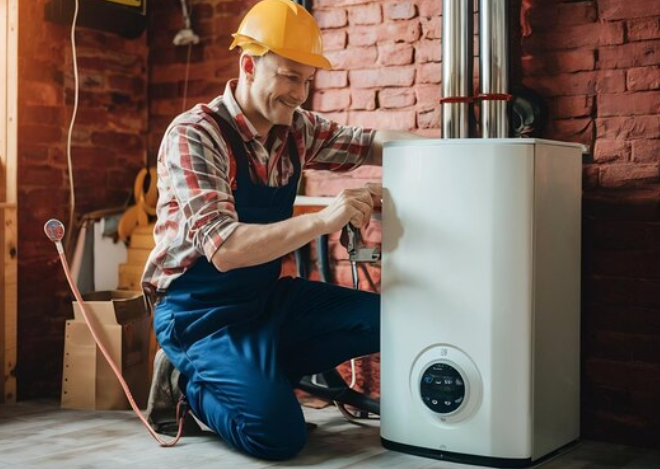
The heart of your home’s climate and air quality is the mechanical system that circulates air. To keep these units running at maximum efficiency, it is essential to schedule regular hvac services with a certified technician.
Professional HVAC services include deep cleaning of the evaporator and condenser coils, which allows for better heat transfer. Technicians also check for duct leaks and ensure that the motor is functioning correctly.
These routine visits prevent small technical issues from becoming major repairs and ensure that your system uses the least amount of electricity possible to maintain comfort.
Enhancing Airflow with Strategic Air Conditioning Installation
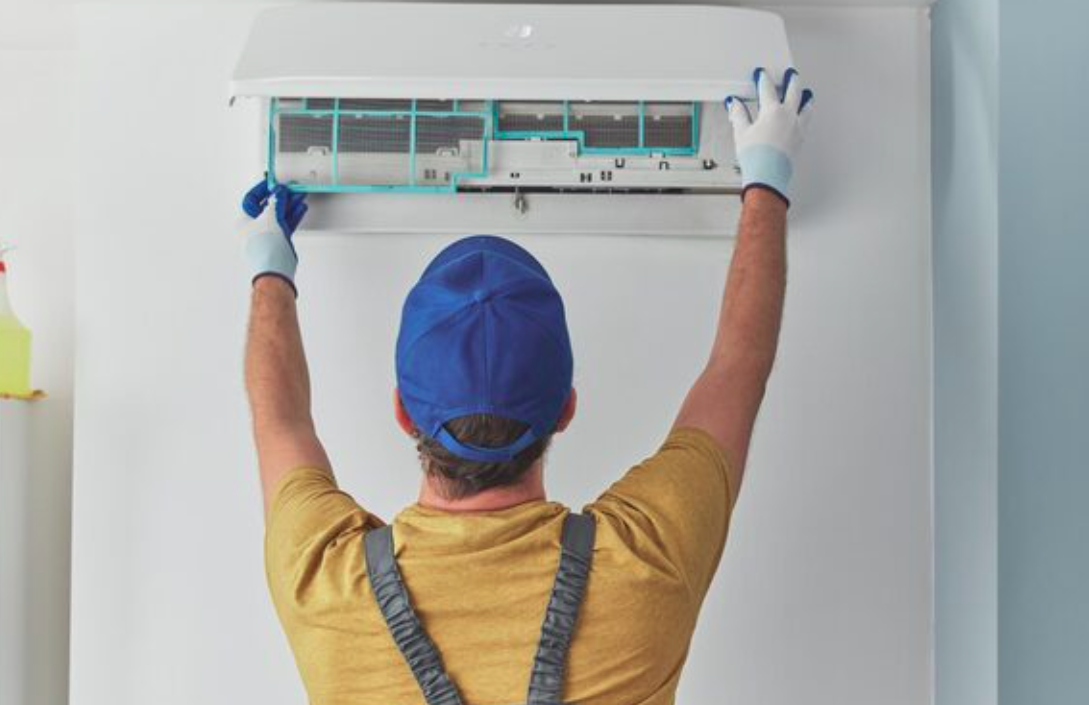
When an old cooling unit reaches the end of its functional life, it often becomes a major source of energy waste and poor air filtration. Investing in a modern air conditioning installation can revolutionize your home environment.
New high-efficiency models are designed with advanced filtration systems that capture microscopic pollutants more effectively than older units.
During a professional air conditioning installation, experts ensure that the unit is perfectly sized for your space, preventing the frequent cycling that leads to high humidity and stagnant air. This upgrade provides a dual benefit of lower bills and much cleaner indoor air.
Implementing High-Efficiency Air Filtration Systems
Indoor air quality is heavily dependent on the ability of your system to remove dust, pollen, and pet dander. Upgrading to high-efficiency particulate air filters, commonly known as HEPA filters, can make a dramatic difference in the respiratory health of your family.
These filters are capable of trapping much smaller particles than standard fiberglass filters. It is also important to change these filters regularly, usually every three months, to prevent them from becoming clogged.
Clean filters allow air to flow freely, which reduces the strain on your blower motor and keeps the air in your home fresh and invigorated.
Controlling Humidity for Comfort and Health
Managing the moisture levels in your home is a critical component of both efficiency and air quality. Excessive humidity can make the air feel much warmer than it actually is, causing you to lower the thermostat and waste energy.
High moisture levels also encourage the growth of mold and mildew, which are significant triggers for allergies and asthma. Using a dehumidifier in damp basements or ensuring that bathroom exhaust fans are working correctly can help maintain a healthy balance.
Keeping indoor humidity between thirty and fifty percent ensures a comfortable environment that protects your home’s structure.