Safe Walls, Secure Living: How to Keep Your Home Protected
A safe home provides more than physical shelter. It creates peace of mind, protects valuable belongings, and supports the health and comfort of everyone living inside. Home safety involves consistent maintenance, awareness of potential risks, and preventive action against hazards that can develop over time.
From strengthening entry points to managing pests and wildlife, every precaution contributes to a more secure living environment.
Strengthening Doors and Windows
Doors and windows are among the most important security features in any home. Weak locks, damaged frames, or poorly maintained entrances can increase vulnerability to break-ins. Solid exterior doors with reinforced frames offer stronger protection than hollow designs. Installing deadbolt locks and modern security systems adds another layer of defense.
Windows should also be inspected regularly. Cracked glass, faulty latches, or weakened seals can compromise both safety and energy efficiency. Motion-sensor lighting near entrances and pathways improves visibility and discourages unwanted activity around the property.
Maintaining Fire Safety
Fire prevention is a critical part of home protection. Smoke alarms should be installed on every level of the home and tested frequently to ensure proper operation. Carbon monoxide detectors are equally important, particularly in homes with gas appliances or fireplaces.
Electrical systems should never be overloaded with excessive extension cords or damaged wiring. Kitchen areas require special attention because unattended cooking is one of the leading causes of household fires. Keeping fire extinguishers accessible in kitchens and garages provides valuable protection during emergencies.
Creating a Secure Outdoor Environment
Outdoor spaces influence home safety more than many people realize. Overgrown bushes and poorly lit gardens can create hiding spots near entrances. Maintaining trimmed landscaping improves visibility and reduces security risks.
Walkways, stairs, and driveways should remain clear and well-maintained to prevent slips and falls. Loose paving stones, wet surfaces, and damaged railings can lead to injuries if ignored. Exterior lighting around pathways and entrances improves both safety and convenience during nighttime hours.
Protecting Against Water Damage
Water damage can weaken a property structurally and create long-term health risks through mold growth. Roofs, gutters, and drainage systems should be inspected regularly for leaks or blockages. Small plumbing problems can quickly become expensive repairs if neglected.
Basements and storage areas are especially vulnerable to moisture buildup. Using proper ventilation and addressing dampness early helps prevent structural deterioration and unhealthy indoor conditions.
Improving Digital and Home Technology Security
Modern homes increasingly rely on smart technology, including cameras, alarms, thermostats, and automated locks. While these systems improve convenience and protection, they must also be secured properly. Weak passwords and outdated software can create opportunities for unauthorized access.
Using strong passwords, enabling two-factor authentication, and updating security systems regularly helps protect connected devices from digital threats. Reliable internet security is now an essential component of overall home safety.
Managing Pest Control Effectively
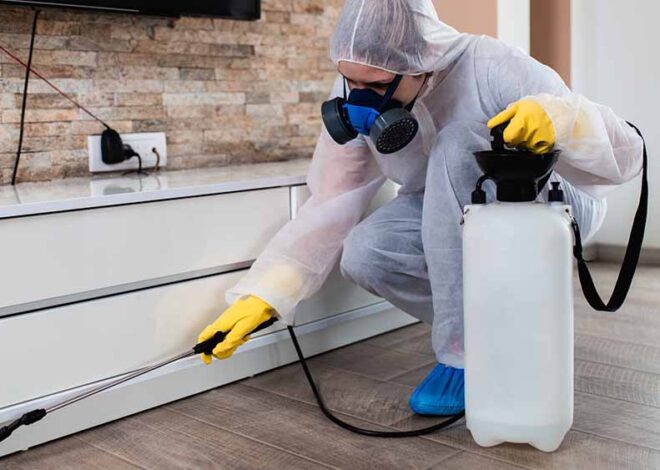
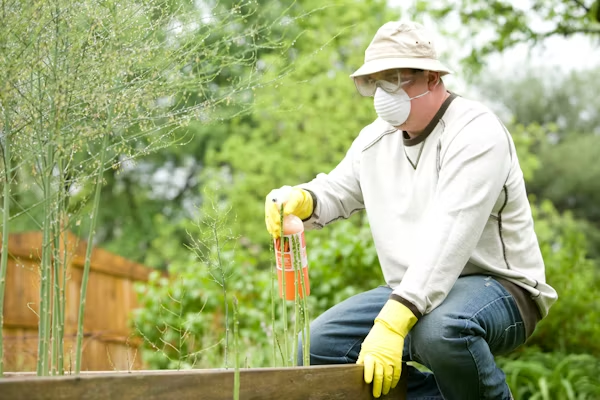
Pest control plays an important role in maintaining a safe and healthy home. Rodents, cockroaches, ants, termites, and other pests can damage property, contaminate food, and spread bacteria. Some infestations also create hidden structural problems that worsen over time.
Preventive measures are often the most effective approach. Cracks, gaps, and openings around doors, windows, and foundations should be sealed to prevent entry. Food should be stored properly, and garbage should never accumulate indoors or near entrances.
Professional pest control services can identify early warning signs before infestations become severe. Regular inspections help detect termites, rodents, or hidden nests that may not be immediately visible. Experienced pest control specialists also use targeted treatments that are safer and more effective than temporary household solutions.
Using Wildlife Removal Services
Wildlife entering residential properties can create serious safety concerns. Birds, squirrels, raccoons, foxes, and other animals may damage roofs, insulation, wiring, and ventilation systems. Some wildlife can also carry diseases or become aggressive when trapped inside enclosed spaces.
Wildlife removal services provide humane and controlled solutions for handling animal intrusions. Professionals understand how to remove animals safely while preventing further access to the property. Attempting to handle wildlife without proper training may increase the risk of injury or contamination.
Homes located near wooded areas, parks, or open countryside often benefit from routine inspections for wildlife activity. Early detection prevents animals from establishing nests in attics, garages, chimneys, or basements.
Building Everyday Safety Habits
Home safety also depends on daily habits. Locking doors consistently, checking appliances before leaving home, and monitoring unusual activity all contribute to long-term protection. Emergency contact numbers and first-aid supplies should remain easily accessible.
Families benefit from discussing emergency plans for fire, severe weather, or medical situations. Prepared households respond more effectively during unexpected events.
A secure home is not created through a single solution. It is built through continuous care, preventive maintenance, and attention to both visible and hidden risks. Combining physical security, fire prevention, pest control, and wildlife management creates a safer and healthier living environment for everyone inside.