A Complete Guide to Pesticide Licensing: Who Needs It and Why
Pesticides are harsh chemicals used by pest controllers to identify and eliminate pests such as termites, wood-boring insects, and rodents in both commercial and residential areas. An unlicensed pest controller can cause environmental harm due to a lack of training. These activities can also affect human health.
There are various restricted-use pesticides (RUPs) that you cannot simply buy without holding a valid license. A strict approach is required to obtain the license if you want to become a trained, professional pesticide controller who follows all safety measures.
Applicants Who Apply For The License
This license is required by various applicants who work in different sectors to provide their pesticide control services. Commercial applicants need their pesticide licensing to work in commercial areas, which is difficult to obtain because the role requires a higher level of professionalism.
Private applicators require this license to access RUPs to use on their own land. Distributors and dealers who sell pesticides also require an authorization to sell the RUPs. There are also public applicators who spray the chemical on government land.
Requirements For the License
You need to complete your training and fulfill the legal requirements to get your pesticide license. The most important part is training from a known organization. You need to be at least 18 and provide proof of your identity with a government-issued photo ID.
Once you get your license, you still need to maintain it. Most states require license renewal every 3 to 5 years. You also need to enroll in a training workshop to stay up to date on safety and regulations.
Reasons to Get the License
When you obtain your license, it not only provides you with a more professional job but also saves you money. If you become a licensed farmer you can avoid the cost of hiring a licensed pesticide controller to spray RUPs. A certified applicator also gets higher salaries than a non-licensed one, and you can also earn more by working as a freelance pesticide controller.
When you get your training, they teach you to achieve better pest control results, which reduces the need to purchase extra chemicals.
Safety and Protection
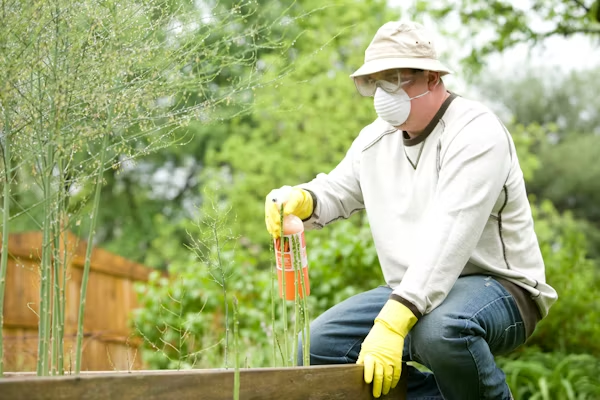
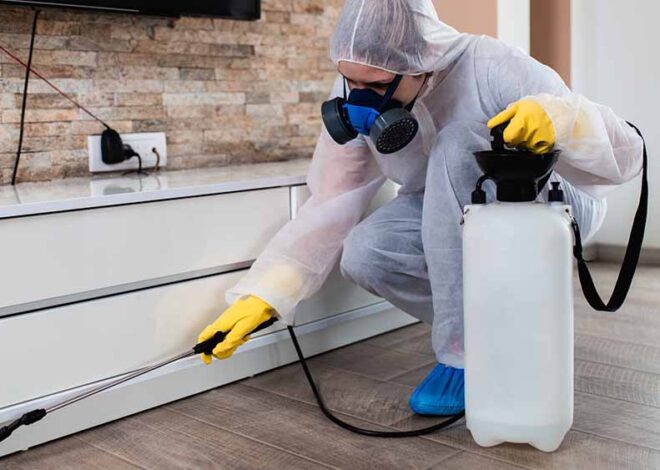
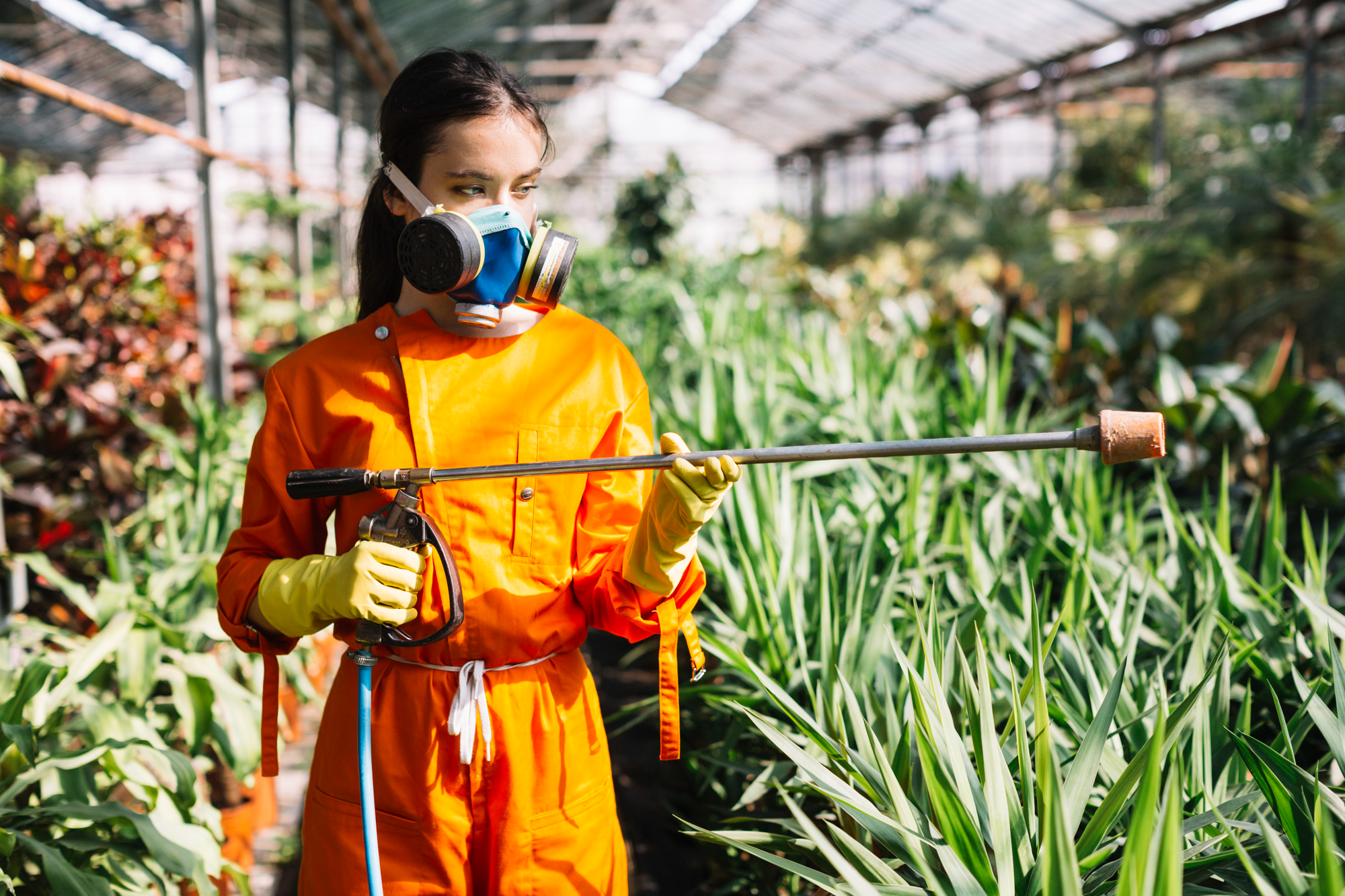
During your training, the trainer teaches you the safety measures you must follow while performing your job to prevent any chemical hazards. It is crucial to wear proper gear, such as long-sleeved shorts, chemical-resistant gloves made of nitrile or neoprene, and long pants and socks with close-toe shoes.
While spraying, you check the wind speed and direction to prevent the pesticide from moving to non-targeted areas.
After spraying, you also advise the people around or the landowner to stay away from the land for some time, depending on the chemical’s toxicity.
Role of Licensing Authority
An authority is the one who sets exam standards and verifies an applicant’s skills and knowledge of pesticide laws and safety measures. They issue a license permitting them to use RUPs. These authorities also keep a check on applicants to ensure they are up to date with new safety technologies and changing regulations.